
WordPressSecurityCloudflare
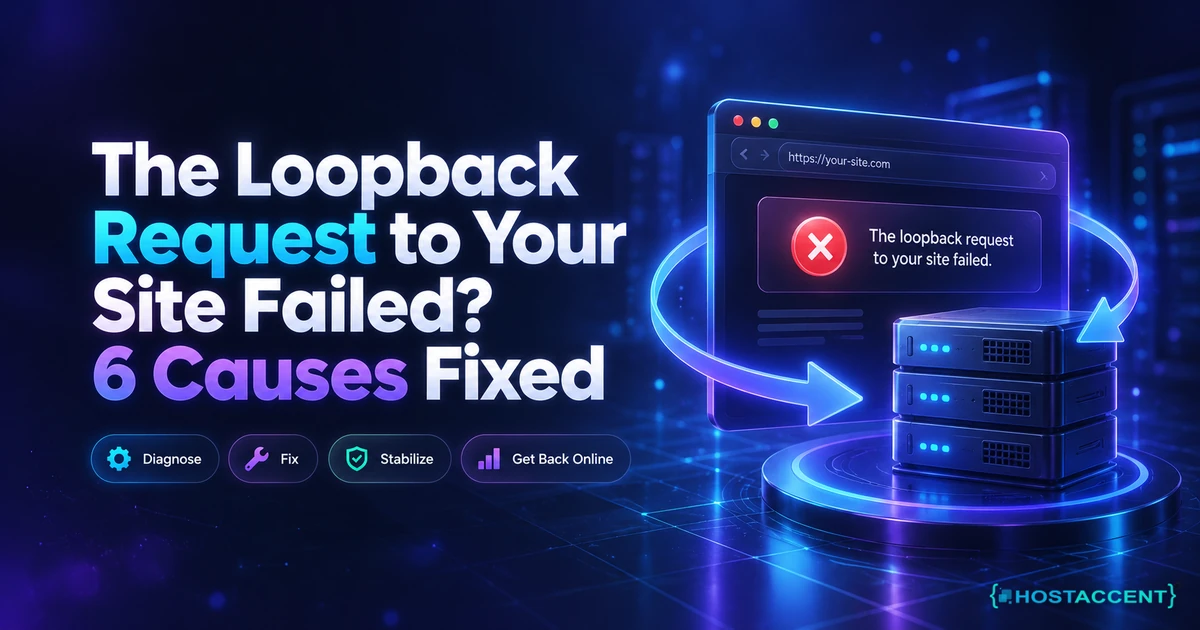
The Loopback Request to Your Site Failed? 6 Causes Fixed
The loopback request to your site failed? It's a firewall, DNS, SSL or plugin block. Read the cURL code, find the layer and fix it at the source. 2026 guide.
Cloudflare setup and troubleshooting guides — DNS configuration, SSL, caching rules, firewall, error fixes, and performance optimization with Cloudflare.
15 articles published
The loopback request to your site failed? It's a firewall, DNS, SSL or plugin block. Read the cURL code, find the layer and fix it at the source. 2026 guide.

How to check DNS records in 2026: use a free lookup tool, dig or nslookup to verify A, MX, TXT and CNAME entries and confirm your DNS changes went live.

Website flagged as phishing? Find the injected kit, clean it, then request a review from Google, Microsoft, Netcraft and Cloudflare to clear the warning.

Subdomain not working after you created it? Check the DNS record, document root and SSL in that order — the full 2026 checklist to get it loading again.
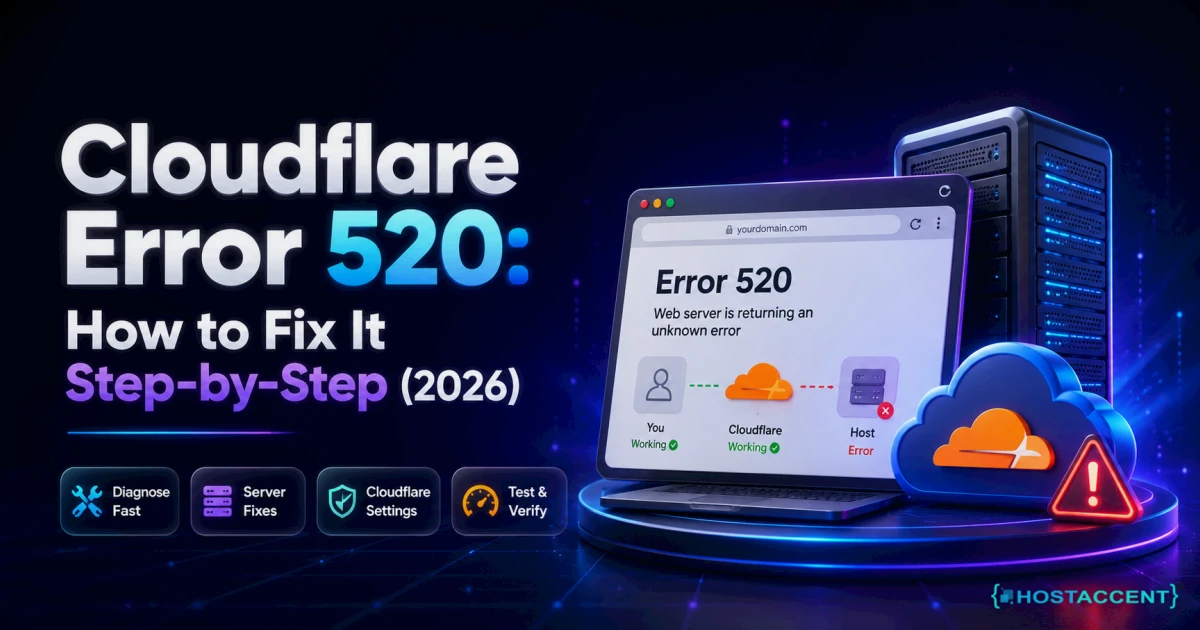
Cloudflare Error 520 means your origin server returned an unknown response. Here's how to diagnose and fix it — headers, timeouts, firewall rules and more.

Cloudflare Error 526 means your origin SSL certificate failed validation. Fix the invalid certificate for Full (strict) mode in minutes — exact steps inside.

Think your site is under a DDoS attack? Learn how to stop a DDoS attack fast — confirm the flood, switch on the right protection, and keep your server online.
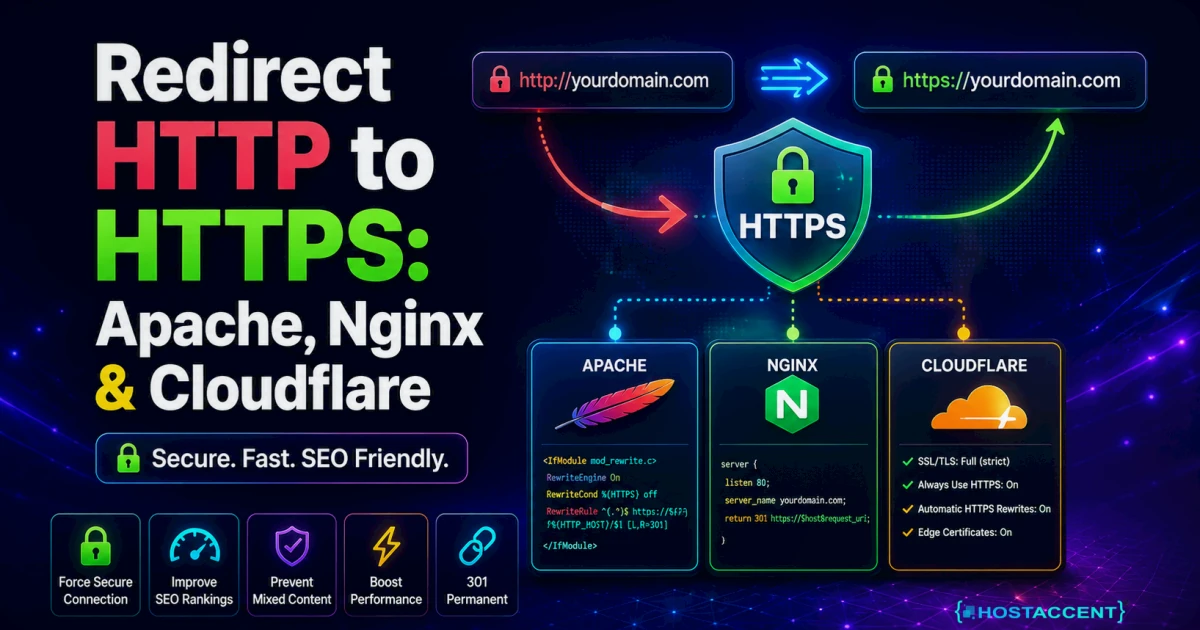
Redirect HTTP to HTTPS the right way on Apache, Nginx and Cloudflare — copy-paste 301 rules, plus how to fix the SSL redirect loop that quietly breaks sites.
Whether you need shared hosting for a new blog or a VPS for a high-traffic business — Hostaccent has a plan that fits your needs, budget, and growth stage.